Galago(Bushbaby)
Buy a Galago
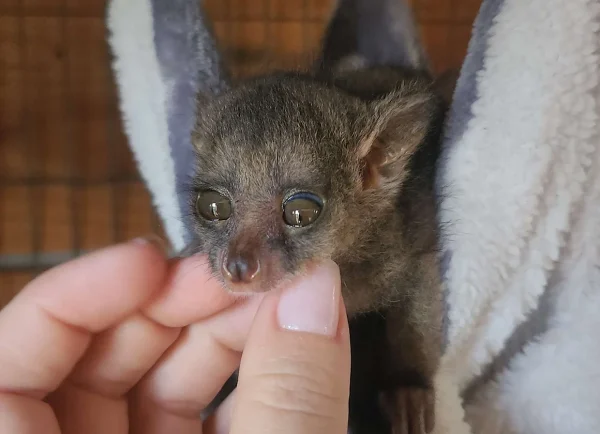
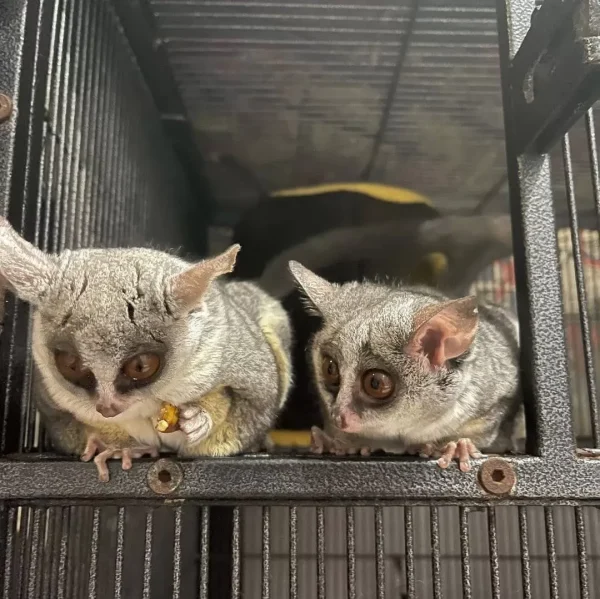
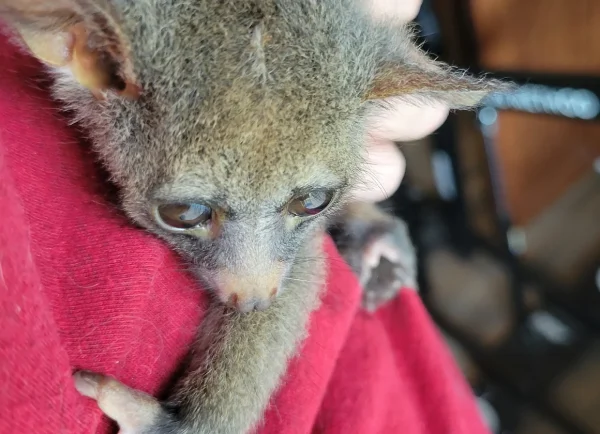
Buy a Galago. Galagos are fluffy animals with huge eyes. This makes them look very cute – as if a Japanese animator drew them. Their second common name is bush baby. It refers both to the sound they make and to their cute appearance. In Afrikaans, they are also called nagapie, which means “night monkey”. This is perhaps a compliment for the galago. Because although they are technically primates, they do not quite reach the level of intellect that many other apes and monkeys are known for.
What does a bush baby eat?
Galagos are best described as opportunistic omnivores. This means their galago diet is adaptable to what is available. Nevertheless, they have a distinct preference for animal protein.
Galagos are omnivores, although the set of preferred foods varies slightly from species to species. But if we talk about bushbabies in general, we’ll get the following diet:
Insect Prey: Their primary food source. They are masters at using their acute hearing and powerful leaps to catch insects mid-air. This includes moths, beetles, and termites. Small animals occasionally supplement their diet. Thanks to their agility and large almost bat-like ears, bushbabies can hunt insects with little effort. They can see well in the dark and can track and catch insects that just fly by.
Gums and Saps: Many species, especially the southern lesser galago, have specialized teeth. This “dental comb” helps them scrape tree gums and saps from acacia trees. These are critical sources of nutrition and water.
Fruit: They will eat soft fruits, berries, and seeds when available. This is especially true during the wet seasons and mating seasons.
Small Vertebrates: On rare occasions, a large galago, like the thick tailed bushbaby, may take a very small bird, lizard, or rodent.
How is the life of these nocturnal animals organized?
The galago’s appearance and behavior correspond to their way of life. Big eyes are needed to catch maximum light at night and see in the dark. Good night vision is characteristic of all nocturnal animals. Bush babies have large delicate ears. They look like locators that can rotate independently of each other in all directions. Those ears help bushbabies orient in space, detect the enemy in advance, and hear signals from their relatives. During the day, while sleeping, the galagos fold their ears and press them tightly against the body. This helps to prevent sounds from disturbing their sleep. They do the same while jumping so that the ears don’t touch branches.