Sugar Glider
Buy a sugar glider
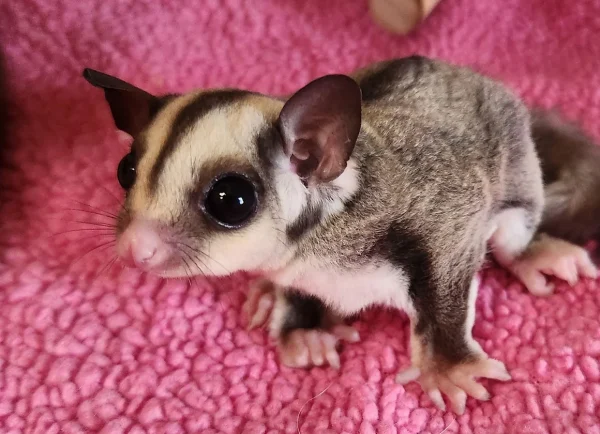
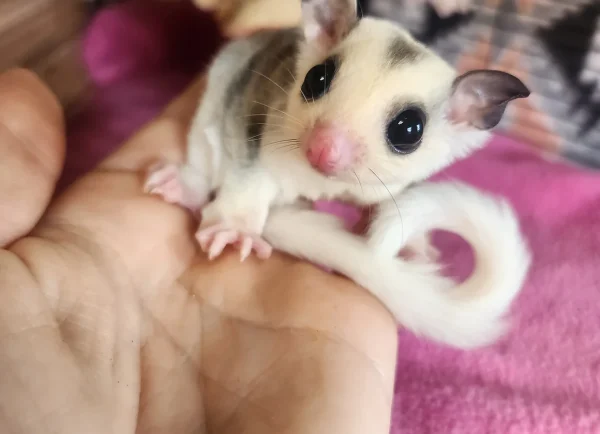
Buy a sugar glider. Sugar gliders can make great exotic pets, and you can purchase them from us. They are very caring, social, and curious animals who often form lifelong close bonds with their families.
Before bringing a sugar glider home as a pet, it’s important to understand that they require a significant amount of time and care. Our veterinarians at Clarksville strongly advise taking the time to educate yourself about this animal and their needs.
So, what exactly are the requirements for caring for a sugar glider?
Bonding With Your Sugar Glider
You may have heard that a bonding process is necessary when introducing a sugar glider as a companion animal. Daily handling and playtime is essential for them to get comfortable with their owners to prevent them from becoming nippy.
As a result, sugar gliders may not be suitable for families with young children. These small creatures have a fondness for pouches, and they frequently curl up in pockets or specially designed-sugar glider pouches.
Stimulation & Housing
To ensure the well-being of your sugar gliders, it’s important to provide them with a spacious cage where they can engage in activities like jumping, leaping, and gliding. The minimum recommended cage size for these pets is 3 feet by 2 feet by 3 feet. Additionally, since sugar gliders are known for their escape artist skills, it’s crucial to ensure that the bars of the cage are not too far apart.
Your gilder’s cage should include a number of platforms, toys, and stimulating activities like bird toys, swings, and rodent wheels.
Also, you should almost never keep just one sugar glider as a pet. These animals are very social by nature, so in addition to daily handling and playtime, they will need a companion to keep them company.
Behavioral Characteristics
Sugar gliders can be good pets. They are lively, inquisitive, playful, and intelligent. Socialized sugar gliders enjoy cuddling and often will curl up in the safety of a shirt pocket. If given lots of attention, they will bond with their owners. To socialize them properly, plan to spend one to two hours per day handling your sugar gliders (it is easier to do this at night because they are nocturnal).
Sugar gliders are not easily handled by strangers and often bite, vocalize, and/or urinate if forcibly restrained. They can become agitated if disturbed when resting during the day. Sugar gliders can be nippy; use plenty of caution if you have small children.
Sugar gliders are escape artists and can easily squeeze through the tiniest openings. Cages must be “pet-proofed” to prevent escape and injury. Naturally inquisitive, they will chew on and swallow many things; do not provide them with toys that can be easily chewed apart.
The First Veterinary Visit
Your sugar glider should be examined by a sugar glider savvy-veterinarian within 48 hours of purchase (this is often required by the seller or any health guarantee will be voided). During this appointment, your veterinarian will discuss proper care, housing, and the unique dietary requirements of your sugar glider. A fecal sample will be examined for internal parasites. Much like dogs, cats, and other pets, sugar gliders require annual veterinary visits to ensure the maintenance of excellent health.